
Can You Sleep in a Garden Cabin?
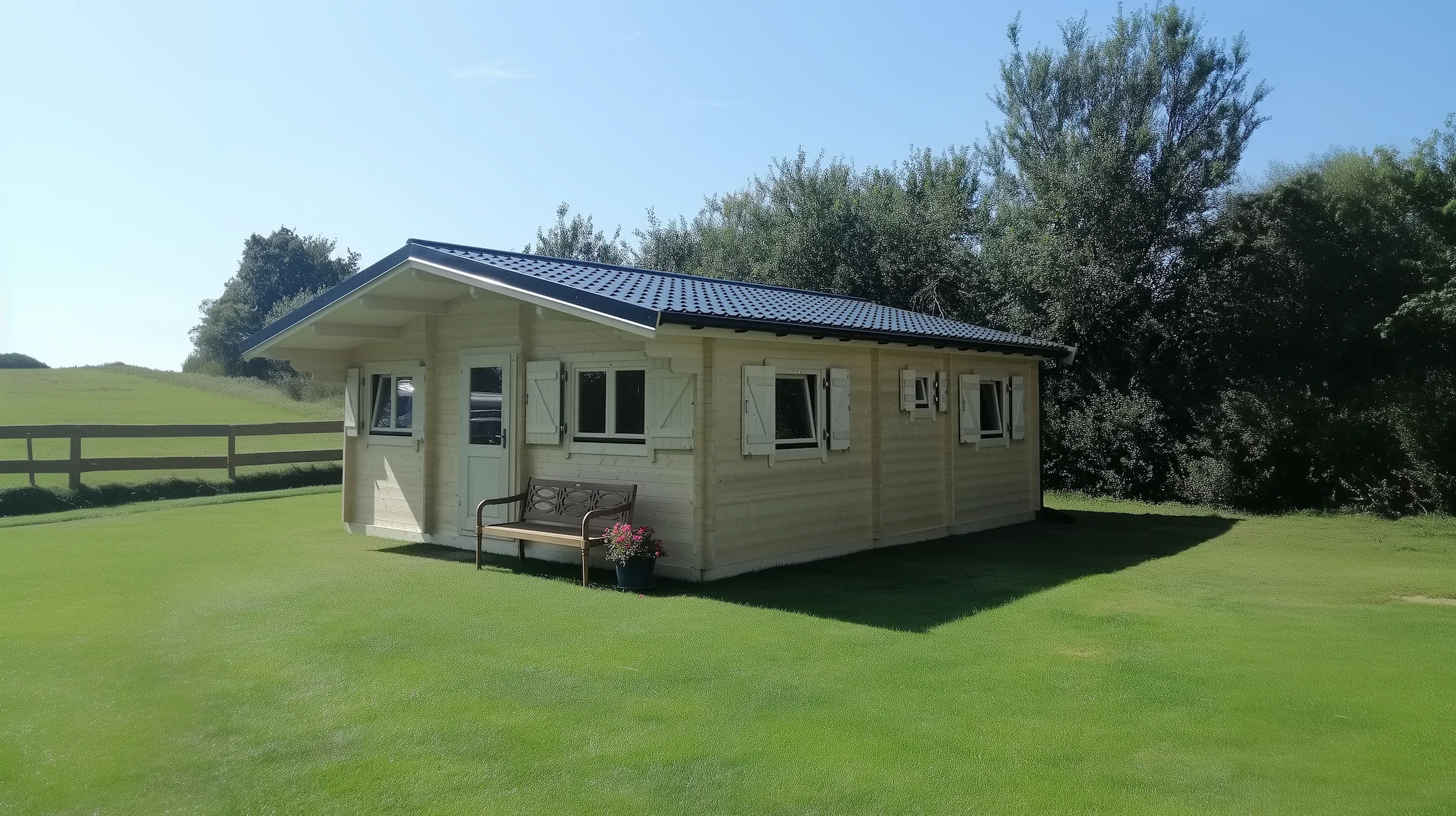
Can You Sleep in a Garden Cabin?
It is one of the first questions people ask once they start pricing up a garden building: if it has insulation, heating and a bed in it, can someone actually stay the night?
In practice, the short answer is yes — plenty of UK households use a garden cabin for visiting family, a teenager who wants their own space, or a weekend guest. The longer answer is that there is a meaningful difference between occasional overnight use of a room in your garden and creating a separate, self-contained home, and that distinction is where planning, building control and specification all come into play.
The Planning Distinction That Matters
Many garden cabins can fall under permitted development, depending on size, height, position on the plot and intended use. Where things change is when the building stops being incidental to the enjoyment of the house and starts functioning as an independent dwelling — its own front door, its own address, someone living there permanently and independently of the main house.
A guest sleeping in your garden cabin for a fortnight over Christmas is a very different proposition from a self-contained annexe occupied year-round, and local authorities look at it that way too. Building regulations can also apply where sleeping accommodation, drainage or certain electrical work is involved.
Because so much depends on your plot, your local authority and exactly how you intend to use the space, it is always worth checking your individual circumstances before you commit. Our planning permission guide for UK garden cabins explains the questions to ask, and the timber cabin planning checklist is a practical way to work through them before ordering.
What Makes a Cabin Genuinely Comfortable to Sleep In
Leaving paperwork aside, the physical requirements for a good night's sleep in a garden cabin are quite specific — and quite achievable.
Insulation as a complete system. Floor, walls and roof, not just the easy wall panels. A cabin insulated on three sides and cold underfoot will feel damp and chilly at 3am no matter how much heat you put in. Our guide to insulating a timber cabin covers the build-up in detail.
Steady background warmth. Sleeping spaces work best with gentle, continuous heat rather than a blast in the evening that fades by midnight. In a well-specified cabin this costs far less than people expect — see what it really costs to run a garden cabin.
Double glazing and controlled ventilation. Both keep surface temperatures even and stop moist air from a sleeping occupant settling on cold glass. Two adults in a small room produce a lot of moisture overnight, which is why preventing condensation matters more in a guest cabin than in a day-use office.
Blackout and acoustics. Simple, but frequently forgotten. Lined curtains or blinds and a solid door make the difference between a novelty and a room people ask to stay in again.
Services: How Far Do You Want to Go?
The level of servicing you choose is what turns a garden cabin into proper guest accommodation.
At the simplest end, a heated, insulated cabin with power and lighting works well for occasional stays, with guests using the bathroom in the main house. That keeps costs and complexity down considerably.
A step up adds a shower room and WC, which needs drainage and a decision about how waste is handled — our guide to timber cabins with bathrooms sets out the realistic options. Add a kitchenette and you have something close to independent living, which is exactly the point at which the planning conversation above becomes important rather than academic.
Whichever route you take, services are far easier and cheaper to design in from the outset than to retrofit into a finished building.
Get the Base and the Shell Right First
None of the above works on a poor foundation. A level, well-drained base with the correct damp proof membrane keeps ground moisture out of the structure, and a sound roof with clear guttering keeps weather off the walls. These are the two things that determine whether a sleeping cabin stays dry and pleasant for decades — and both are far cheaper to do properly once.
Our Honest Advice
Decide upfront how the cabin will really be used. "Somewhere the in-laws can stay twice a year" and "somewhere my adult son will live" lead to different specifications, different service requirements and different conversations with your local authority — and it is much better to know which one you are building at the design stage.
As family-run timber cabin specialists, we help customers across the UK from first idea through design, delivery, installation and final use, and getting that intended-use question answered early is what keeps the rest of the project straightforward.
Thinking about a cabin someone can stay in? Browse the timber cabin collection, then request a quote and tell us how you plan to use the space — we will specify the insulation, heating and services to match.