
How to Choose the Right Timber Cabin Size for Your Garden
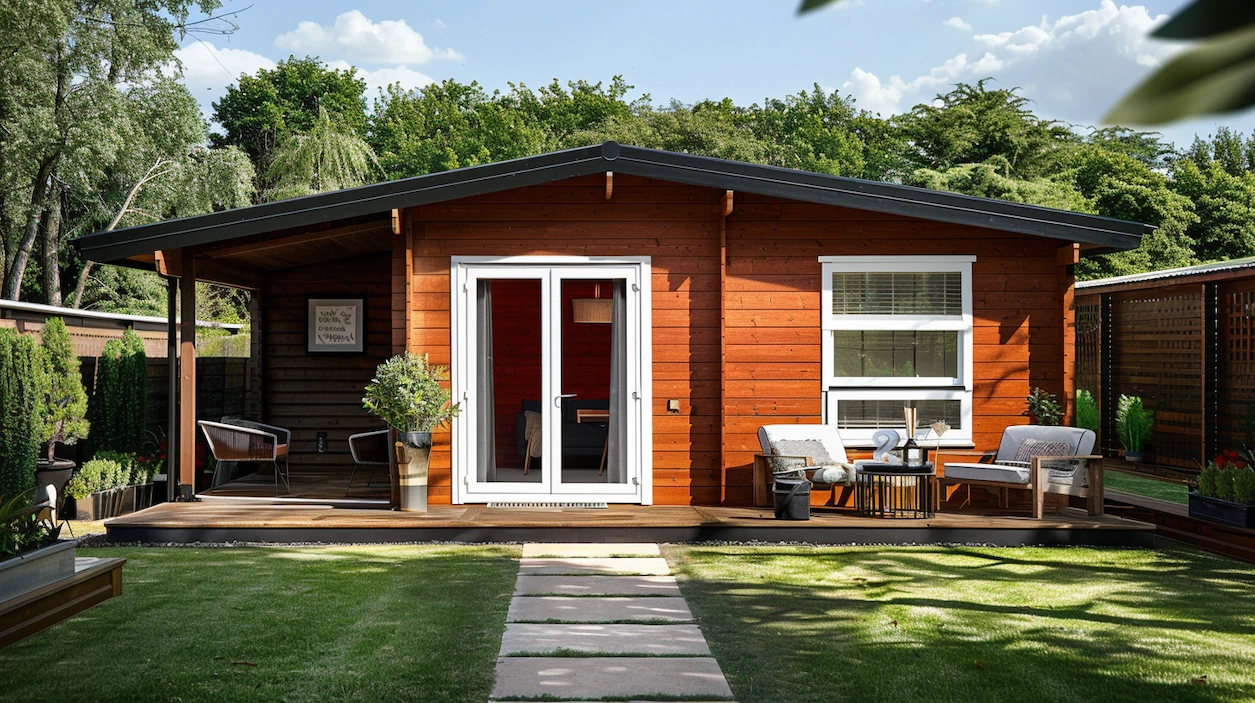
Choosing the right timber cabin size is one of the most important decisions at the beginning of the project.
A cabin that is too small may feel limiting after a few months. A cabin that is too large may take more garden space than necessary. The best choice is usually the size that matches your lifestyle, your garden layout and the way you plan to use the building every day.
Here are the key things to consider before choosing your timber cabin size.
1. Start with the Main Purpose
The first question is simple: what will the cabin be used for most of the time?
Different uses need different layouts and different amounts of space.
For example:
- a garden office may only need one comfortable room,
- a guest room needs space for a bed and storage,
- a studio apartment may need a kitchenette and bathroom,
- a family cabin needs separate sleeping and living areas,
- a rental-style annexe needs a more practical full layout.
This is why it is better to choose the size based on function, not only on appearance.
2. Think About the Garden, Not Just the Building
A timber cabin should feel like part of the garden, not something that overwhelms it.
Before choosing the size, it is worth thinking about:
- how much garden space should remain open,
- where the entrance will be,
- whether you want a patio or decking area,
- how the cabin will look from the main house,
- where natural light comes from,
- how easy access will be for installation and daily use.
A slightly smaller cabin with a good outdoor area can often feel more comfortable than a larger building placed too tightly in the garden.
3. Small Cabins Work Well for Offices and Studios
Compact timber cabins are ideal when you need one clear-purpose space.
They can work very well as:
- home offices,
- beauty or therapy studios,
- hobby rooms,
- music rooms,
- private reading spaces,
- small garden guest rooms.
For this type of use, a simple layout can be enough. The most important things are insulation, heating, electricity, lighting and comfortable access.
If you need a practical small living space, our Studio Apartments category is a good place to start.
4. Medium Cabins Give You More Flexibility
A medium-sized cabin is often the safest choice for homeowners who want flexibility.
It gives enough space for more than one function, such as a living area with a small kitchenette, a guest room with storage, or a home office with a sofa bed.
This type of cabin can be useful if your needs may change over time.
For example, a garden office today could become a guest annexe later. A hobby room could become a compact rental-style space. A spare room could become a quiet studio for work or relaxation.
For many customers, this is where 1-Bedroom Cottages become an attractive option.
5. Larger Cabins Need More Detailed Planning
Larger timber cabins are ideal when the building needs to function more like a small home.
They may include:
- one or more bedrooms,
- a living area,
- kitchen or kitchenette,
- bathroom,
- storage,
- utility space,
- a larger entrance area.
This gives more comfort, but it also means the design needs to be planned carefully.
For larger buildings, layout matters even more. The position of windows, doors, walls, utilities and furniture can make a big difference to how the space feels.
Customers looking for a more complete residential-style solution often explore our 2-Bedroom Homes, 3-Bedroom Family Homes or larger timber cabin options.
6. Do Not Forget Storage
Storage is one of the easiest things to underestimate.
A cabin may look spacious when empty, but once furniture, appliances and everyday items are added, the available space can reduce quickly.
It is worth planning storage from the beginning, especially if the cabin will be used as a guest room, annexe or small living space.
Useful storage ideas include:
- built-in wardrobes,
- under-bed storage,
- wall-mounted shelves,
- compact kitchen units,
- hidden storage benches,
- outdoor storage for garden items.
Good storage helps keep the cabin practical and comfortable long term.
7. Leave Room for Future Needs
When choosing a cabin size, think not only about today but also about the next few years.
A space that feels perfect now may need to serve a different purpose later. Children grow, work routines change, family needs shift and properties are used in new ways.
If your budget and garden allow it, choosing a slightly more flexible layout can be a wise decision.
This does not always mean choosing the biggest possible cabin. It means choosing a size that gives you enough options without wasting space.
Summary
The right timber cabin size depends on your garden, your budget and how you plan to use the space.
A small cabin can be ideal for a home office or studio. A medium-sized cabin gives more flexibility. A larger timber building can become a proper residential-style annexe or family space.
The best approach is to start with the purpose, then plan the layout, utilities and garden position around that purpose.
Not sure which cabin size is right for your garden? Explore our timber cabin categories or contact our team to discuss the best option for your space.
View studio apartments, explore 1-bedroom cottages or request a quote.