
Insulated Timber Cabins: Why Insulation Matters for Year-Round Comfort
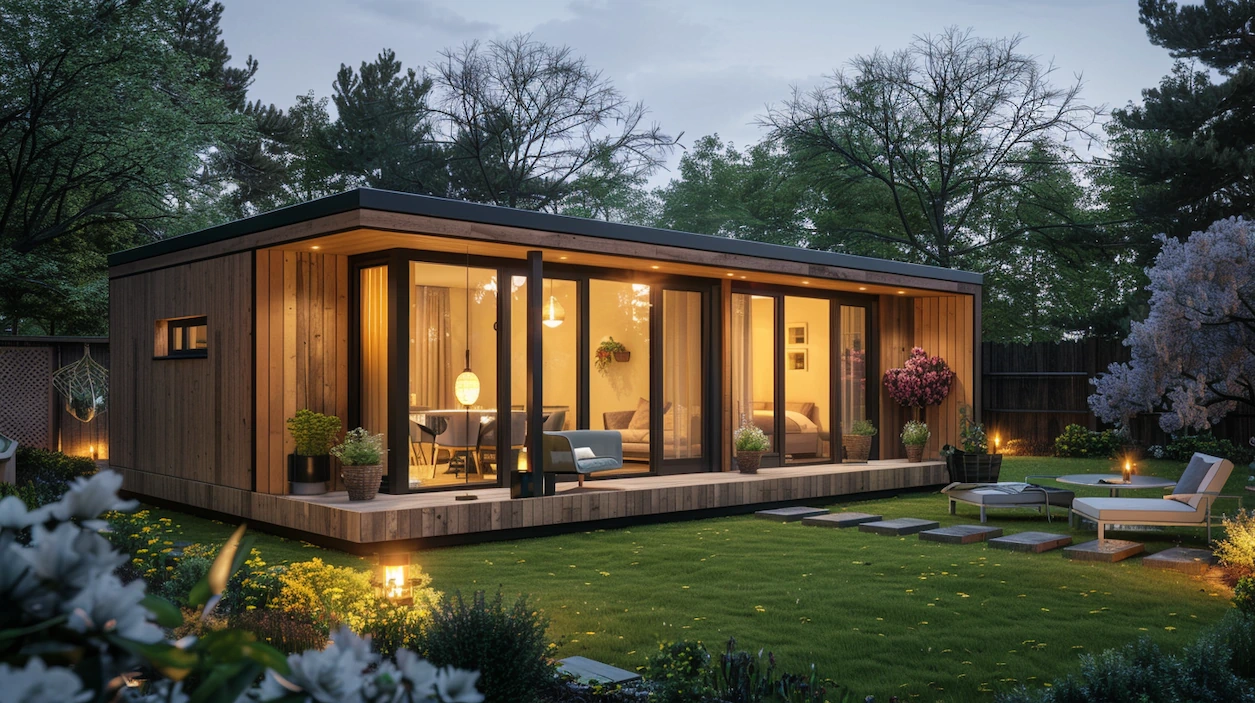
A timber cabin can be much more than a seasonal garden building. With the right specification, it can become a comfortable space for work, guests, family use or long-term living.
One of the biggest factors behind that comfort is insulation.
If you want to use a timber cabin throughout the year, insulation should be discussed early in the planning stage, not added as an afterthought.
1. Why Insulation Matters
Insulation helps the cabin hold a more stable internal temperature.
In colder months, it helps reduce heat loss. In warmer periods, it can also help the cabin feel more controlled and comfortable inside.
This is especially important if the cabin will be used as:
- a home office,
- a guest annexe,
- a studio apartment,
- a 1-bedroom cottage,
- a 2-bedroom timber cabin,
- a family accommodation space,
- a long-term living area.
A non-insulated garden cabin may be enough for storage or occasional use, but regular daily use usually needs a better specification.
2. Floor Insulation
Floor insulation is often one of the most important areas to consider.
Cold can come from below the building, especially when the cabin is positioned on a prepared base or block system. A well-planned floor specification helps make the space feel warmer and more comfortable underfoot.
This is particularly important in cabins used as living spaces, bedrooms, offices or guest rooms.
A comfortable floor makes a big difference to how the cabin feels every day.
3. Roof Insulation
Heat naturally rises, so the roof is another critical part of the building.
Without proper roof insulation, warmth can escape quickly, making the cabin harder to heat and less comfortable during colder periods.
For year-round use, roof insulation should be treated as a key part of the specification.
It helps improve comfort and supports a more efficient heating setup.
4. Wall Insulation
Wall insulation becomes especially important when the cabin is intended for regular use or residential-style comfort.
A stronger wall specification can help create a more stable internal environment and make the cabin feel less seasonal.
For customers planning a guest annexe, compact home, studio apartment or larger timber cabin, wall insulation is one of the details that should be discussed before the final quote is prepared.
5. Doors and Windows Also Matter
Insulation is not only about the floor, roof and walls.
Doors and windows can also affect comfort. Poor-quality openings may allow draughts or heat loss, while better-quality units help the cabin feel more complete and practical.
When planning a year-round cabin, it is worth thinking about how much glass you want, where windows will be placed and how the building will be heated.
Large windows can look beautiful, but they should be considered as part of the full comfort plan.
6. Insulation and Heating Work Together
Insulation does not replace heating, and heating does not replace insulation.
They work together.
A well-insulated cabin is usually easier to heat and more comfortable to use. A poorly insulated cabin may need more heating but still feel less stable inside.
This is why heating, electrics and insulation should be planned together at the beginning of the project.
7. Better Comfort for Everyday Use
The more often you use the cabin, the more insulation matters.
For a storage cabin or occasional summer space, the requirements may be simple. But for a home office, guest room, family annexe or residential-style timber cabin, comfort becomes much more important.
Good insulation helps the cabin feel like a proper usable space rather than a temporary garden building.
That difference is often what makes the cabin suitable for everyday life.
Summary
Insulation is one of the most important decisions when planning a timber cabin for year-round use.
Floor, roof and wall insulation all play a role in comfort, while good doors, windows and heating help complete the overall specification.
The best time to discuss insulation is before the build begins. This helps create a cabin that is practical, comfortable and suitable for the way you plan to use it.
Planning a year-round timber cabin? Explore our timber cabin options or contact our team to discuss the best insulation specification for your project.
View all timber cabins, explore 1-bedroom cottages or request a quote.