
Can You Work From a Garden Office in Winter?
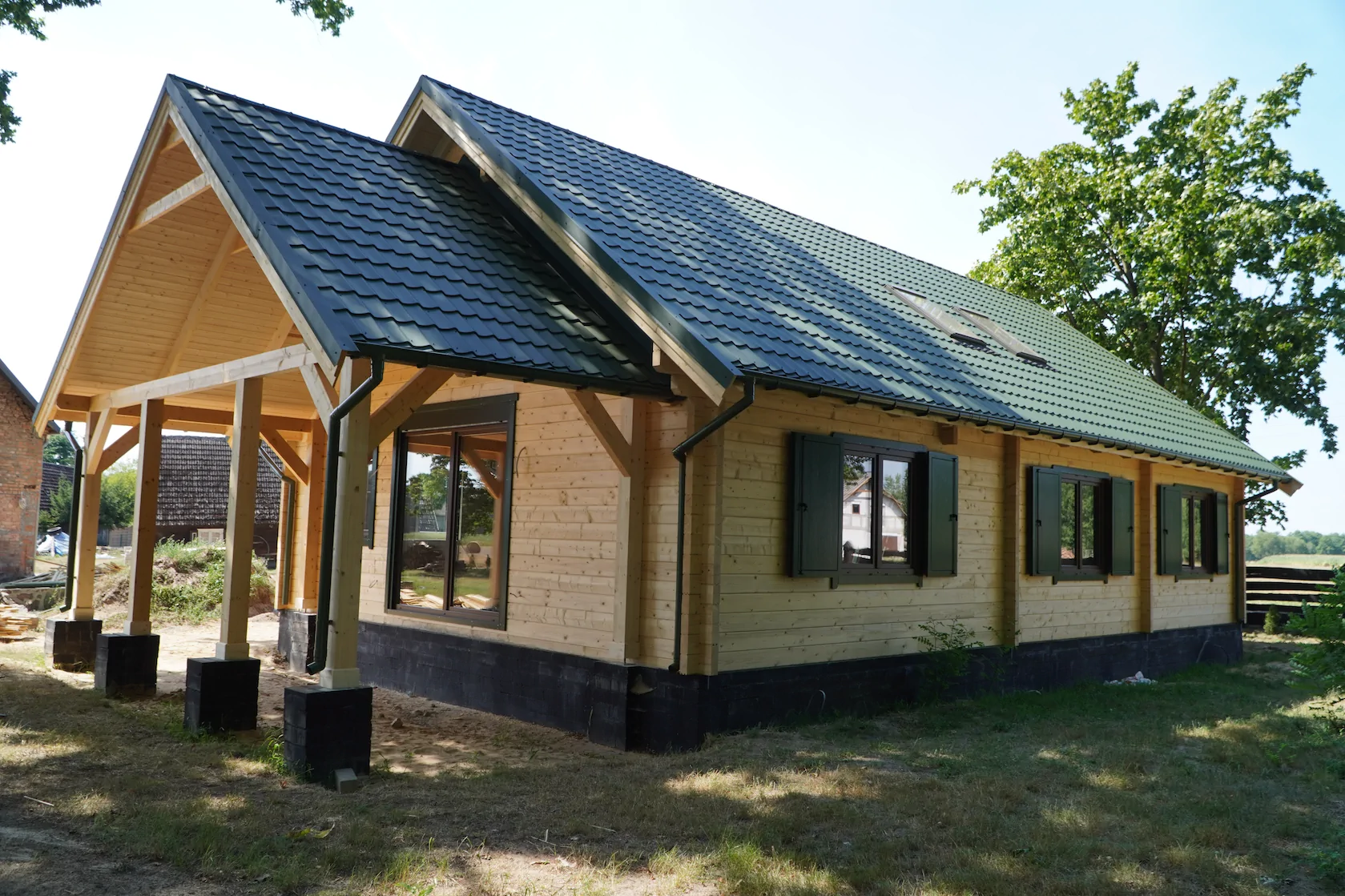
Can You Really Work From a Garden Office in Winter?
It's the question almost everyone asks before ordering a garden office: "It's lovely in July, but what about January?" The honest answer is yes — a properly specified timber cabin can be a warm, bright and pleasant place to work through a British winter. The difference between a cosy office and a shivering shed comes down to a handful of decisions made at the start.
At Best Timber Cabins we're family-run timber cabin specialists helping customers from first idea through design, delivery, installation and final use, and winter comfort is one of the things we plan for from the very first conversation.
Why Timber Works Well in Cold Weather
Timber is a naturally good insulator. A solid or insulated timber wall holds warmth far better than many people expect, and a cabin doesn't suffer from the cold surfaces that make some garden rooms feel clammy. Our article on why timber beats brick explains the material side in more detail.
That said, thickness and build quality matter. A thin, uninsulated shell will be cold whatever it's made from. For a year-round garden office, look for insulated walls, floor and roof, not just walls. Our guide to how to insulate a timber cabin covers the options, and insulated timber cabins for year-round comfort shows what a complete specification looks like.
The Floor and Roof Are Where Heat Escapes
Warm air rises, so an uninsulated roof loses heat quickly, while a cold floor makes the room feel chilly even when the air is warm. For winter working, aim for:
- Insulation in the roof, walls and floor, with no gaps around edges.
- A raised, ventilated floor or a well-prepared base, so cold ground doesn't draw heat out — see timber cabin foundations and bases.
- Good-quality roofing that keeps out moisture and draughts — more in the importance of cabin roofing.
Windows, Doors and Draughts
Glazing is usually the weakest point thermally. Double glazing is the sensible minimum for a garden office used all year, and well-fitted seals around doors make a surprising difference. Large windows bring welcome daylight on short winter days, so it's a balance: choose glazing that gives you light without losing too much heat, and position it where low winter sun can help warm the space.
Heating a Garden Office
A well-insulated cabin needs surprisingly little energy to stay comfortable. Common choices include:
- Electric panel or wall heaters — simple, quick and inexpensive to install.
- Air-conditioning units with a heating mode — efficient and also handy for summer.
- Electric underfloor heating — even warmth, ideal if the floor is the cold spot.
- Small oil-filled radiators as a back-up on the coldest mornings.
Most of these rely on a proper electrical supply, which is worth planning early — see how to get electricity to a garden cabin and our overview of fitting utilities in a timber cabin. Running costs depend on size, insulation and tariff, so it's best to get a realistic picture before deciding; how much it costs to run a garden office is a good place to start.
Avoid Condensation and Damp
Winter brings damp air, and a warm room with poor ventilation can develop condensation. A little trickle ventilation, a well-sealed build and consistent low-level heating prevent most problems. Letting the office go completely cold overnight and then blasting it with heat in the morning is the habit that causes the most trouble. Our guide on how to stop condensation in a garden cabin goes through it step by step.
Practical Habits for Winter Working
- Set a thermostat to keep the office at a steady background temperature.
- Use a draught-excluding mat or rug over hard floors.
- Keep the path to the cabin lit and non-slip — a dark, icy garden walk is a real winter issue.
- Add task lighting; daylight is short in December.
- Treat the timber exterior regularly so it stays protected through wet months.
Is It Worth It?
For many people, yes. A dedicated garden office gives you a clear boundary between work and home, and a properly insulated one is genuinely usable from January to December. Many garden cabins can fall under permitted development, depending on size, height, position and intended use, but every property is different, so it's wise to check your individual circumstances before building — our planning permission guide for garden cabins explains what to look at.
Choosing the Right Cabin for Year-Round Use
If you're planning to work from a garden office through the winter, tell us at the outset. We'll help you choose the right wall build-up, glazing and heating approach for your site. You can browse our timber cabin collection for ideas, or request a quote and we'll talk through what a year-round garden office would look like for you.